


One of the things that you’ll notice if you look at any sponsorship material online is that a lot of it is terribly average.
And usually, that’s because the sponsor isn’t going for a long-term relationship with the person being sponsored. It’s just a short-term engagement for one to a few pieces of content.
One of the things that the industry needs to do better is to find good creators with ambitious content that they can engage with for a minimum of a year, not too dissimilar to how sports teams do it.
In this blog, I want to talk about companies that are doing it really, really well. We’re going to go deep and figure out if there is a recipe for how to do sponsorships well.
And I’d like to start with this opening point, which includes a case study about Kirk:
Virality is random; dominance isn’t.
I’ve got videos that are highly produced, they took months to research and edit, and they are in the 10,000 views range. But I also have videos that are simple screen recordings with voiceover and they have over 450,000 views at the time of writing this. I never expected that wide range of results.
If a brand sponsors a single video, it could get them 10,000 impressions. But if they form a partnership with the creator and have some way of being in every video (link in description, logo on t-shirt like a sports team jersey, a simple “brought to you by…” readout at the start of the video) then the brand increases their surface area significantly.
You only have to look at your favourite creator’s profile and you’ll see a significant range of results. Here’s Kirk Lepiten’s Instagram Reels. He's got just shy of 70k followers and the views range from 24,300 to 2,000,000.
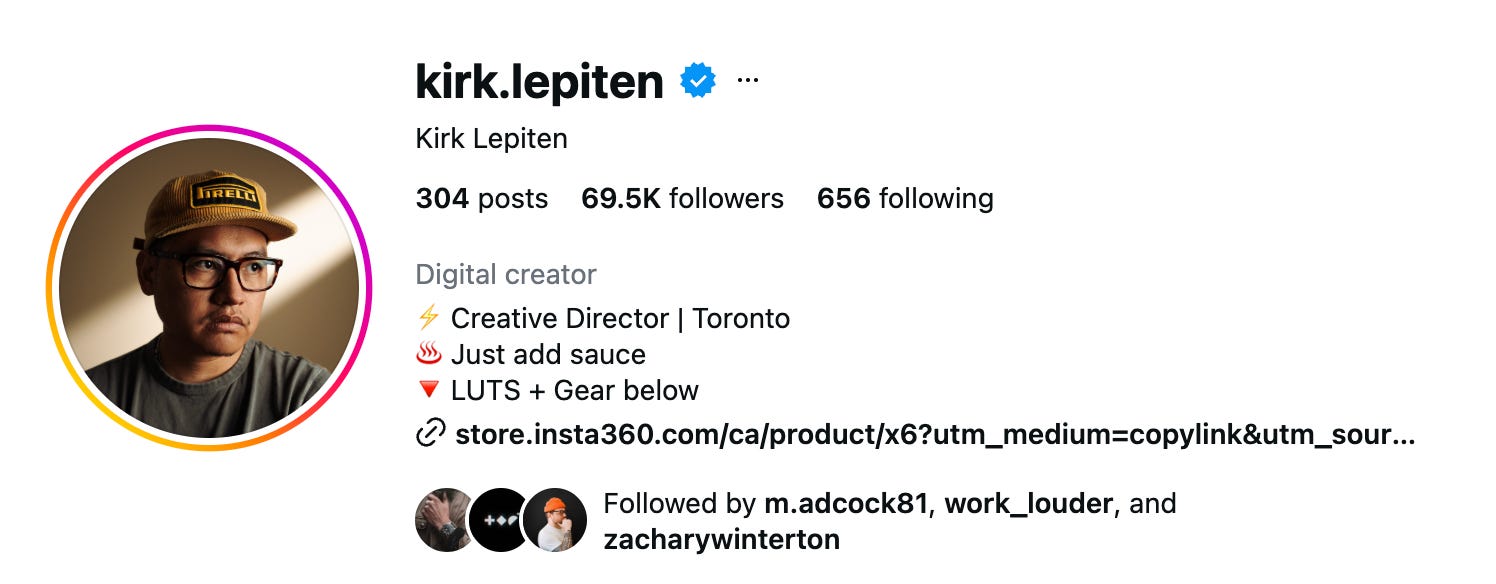
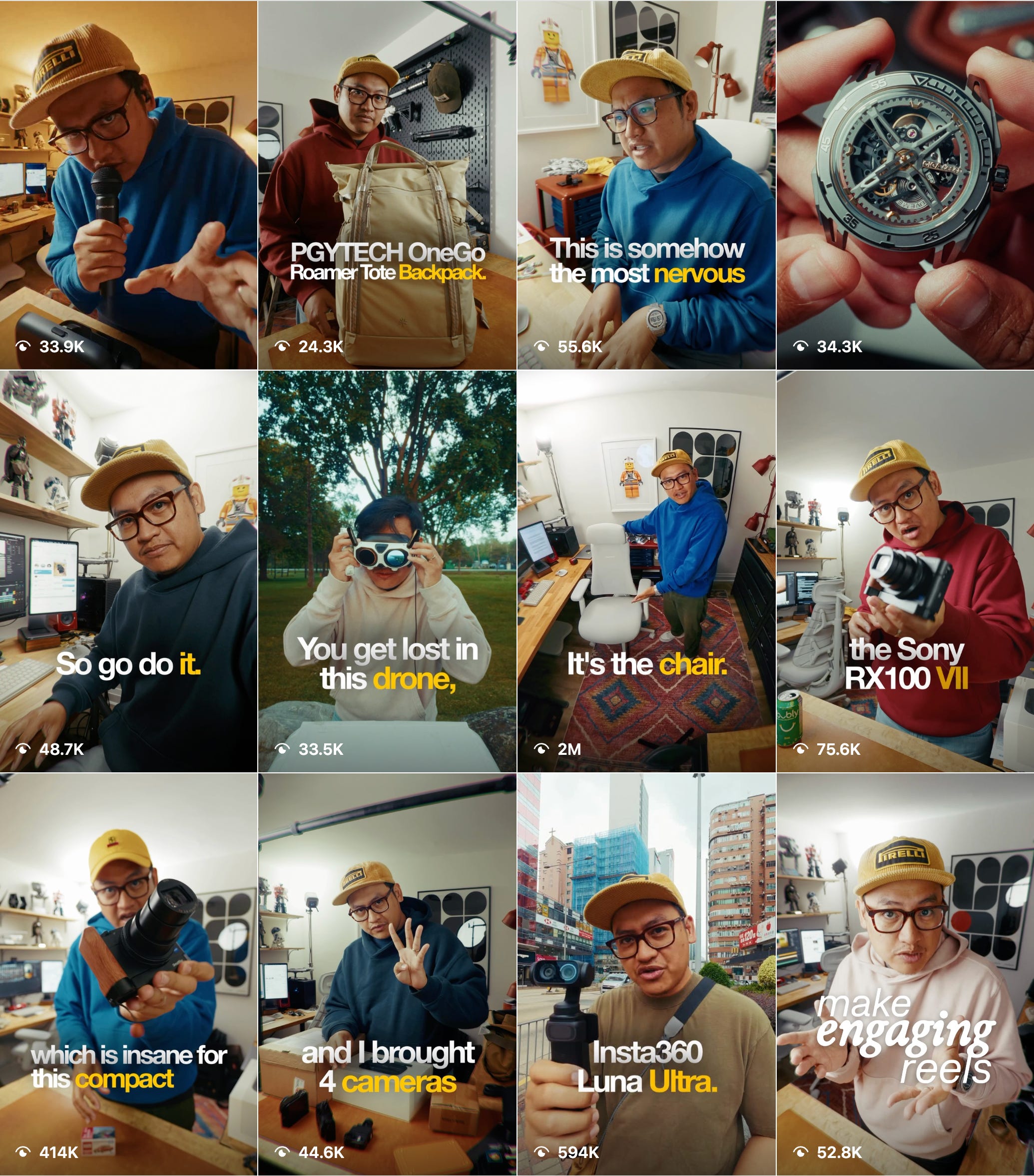
Like I said: you can’t predict this. Even HE can’t predict it.
You’ll notice Kirk wears a Pirelli hat. I’d love it if Pirelli were actually a partnership-style sponsor of Kirk’s because then they get exposed to ALL of these views.
Sephora Squad
Sephora absolutely nailed this. They developed a 12-month-long paid ambassador programme called Sephora Squad and it still runs to this day.
And the selection criteria prioritise a creator’s impact in the community over their follower count, and applicants have to collect testimonials from their own followers as part of the application process.
You can see below that on the Sephora website, each of these ambassadors has their own storefront, a bit like the Amazon Creator storefront. The ambassadors typically link to this from their LinkedIn bio on socials.


And some of the CMOs out there might be wondering, “But what was the ROI of this?” The 2022 cohort of ambassadors delivered 99% social growth across Instagram, TikTok, and YouTube over the year.
Applications for the 2023 cohort were over 16,000 strong, which was a 43% jump.
And they did an international extension of the programme between 2024 and 2025, which saw engaged reach move from 73 million to 120 million.
If you can’t see the ROI in that, you might want to get a different job.
What’s also cool about the Sephora squad is that former members become mentors to new members. Which is pretty close to what employee-generated content programmes look like, but instead, Sephora has applied this to creators instead of staff.
Here’s a thought exercise for you:
If you could identify a couple of creators who are always speaking positively about your product for free and they have engaged audiences, how much would you be willing to pay them to formally form a partnership?
Gymshark x Chris Bumstead
Gymshark takes it one step further. Gymshark has ambassadors that they work with on a regular basis, but there’s a whole level above that called Gymshark Athlete and Ben Francis, the CEO, is extremely picky around who they work with.
There are people that have contractual partnerships, who are expected to participate in Gymshark events, do campaign integrations, and even co-create products or own part of the company.
And that’s exactly what happened with Chris Bumstead, also known as Cbum.
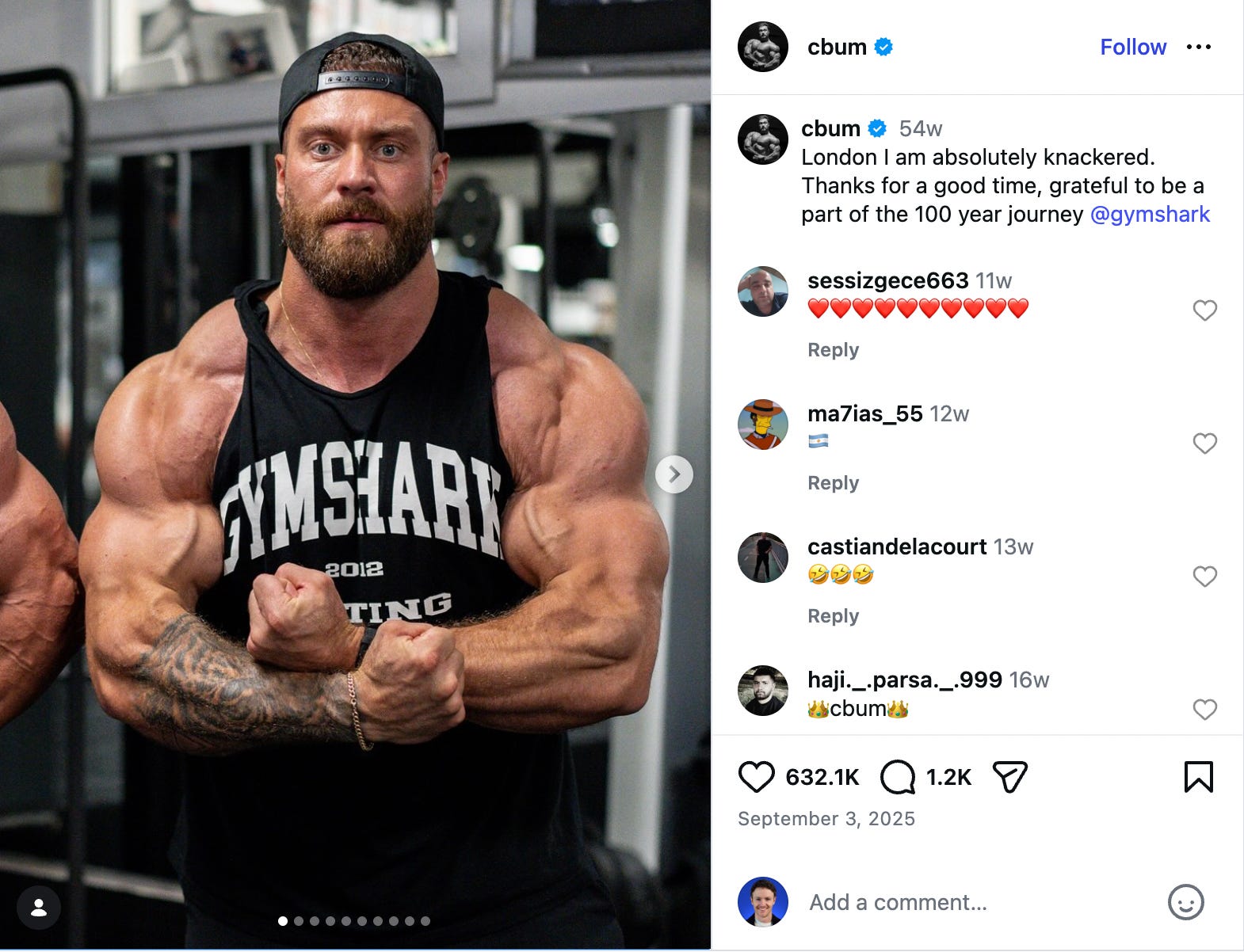
Cbum signed with Gymshark in 2018, left after 4 years and then rejoined in 2024 as a part owner of the company. That’s an epic arc and he carries all of his personal brand equity into the business.
And even the little break that he took after leaving the programme before then rejoining is interesting because it’s clear that he wanted to be back in the business and part of the Gymshark brand.
Another thought exercise:
What influencer or content creator would you like to work with in the same way that Cbum works with Gymshark? You give them a piece of the business, and they bring their audience amazing content. How much of the business do you think that would be worth?
Dan Suzuki
Dan is an influential member of the sim racing community and works for a company called GSI. They make high-end racing simulator steering wheels. In fact, I own one.
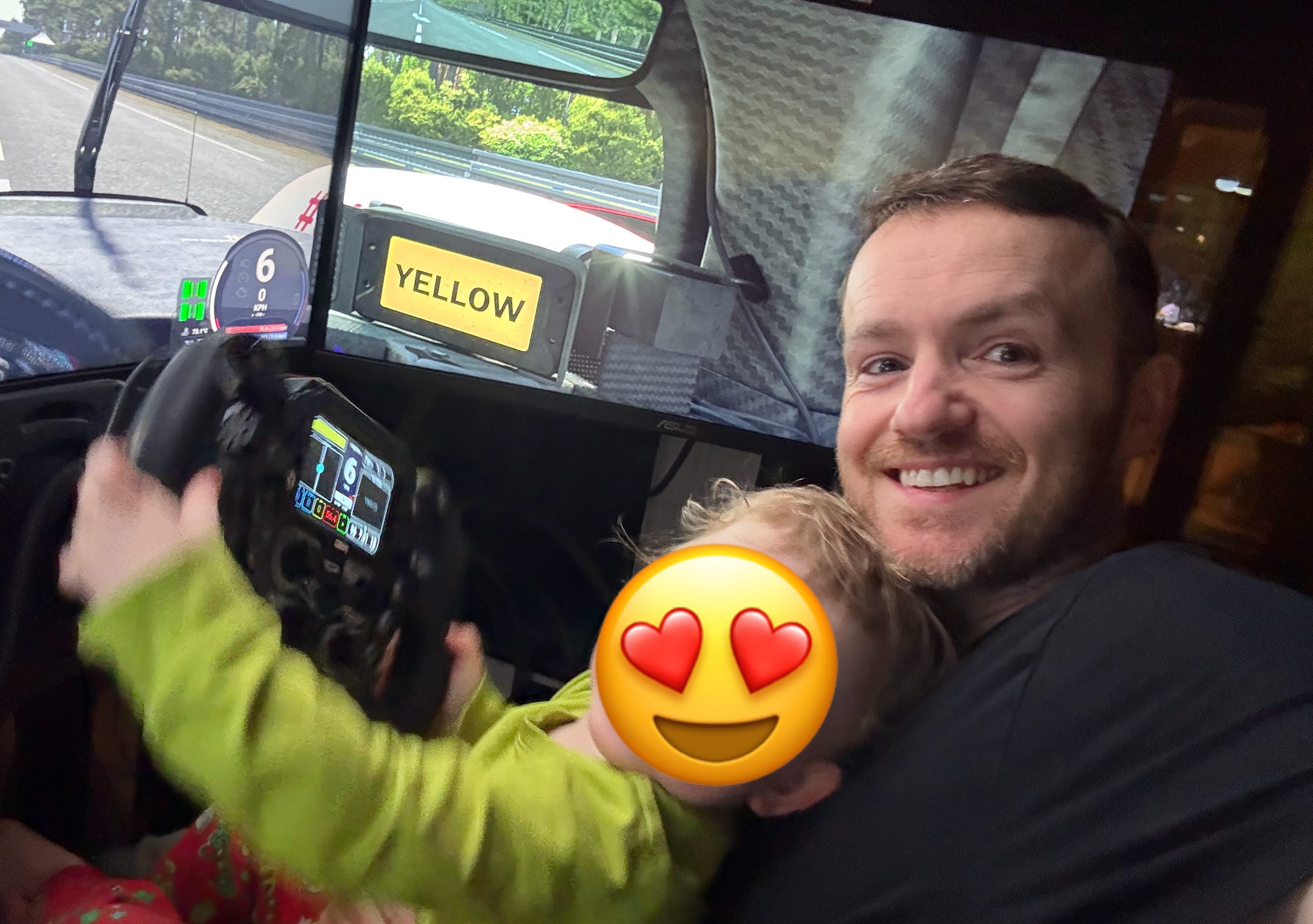
Dan has a highly engaged audience on YouTube and frequently works with brands on content. Some of it sponsored, some of it not. But what’s really interesting about Dan is that he doesn’t just promote GSI products. He also talks about other companies that make steering wheels and sim racing gear and creates reviews that are very well balanced. You get a real sense from his content that what he’s saying on camera is what he genuinely believes. He’s even spoken negatively about certain features within GSI’s own products and where other companies are doing things better.
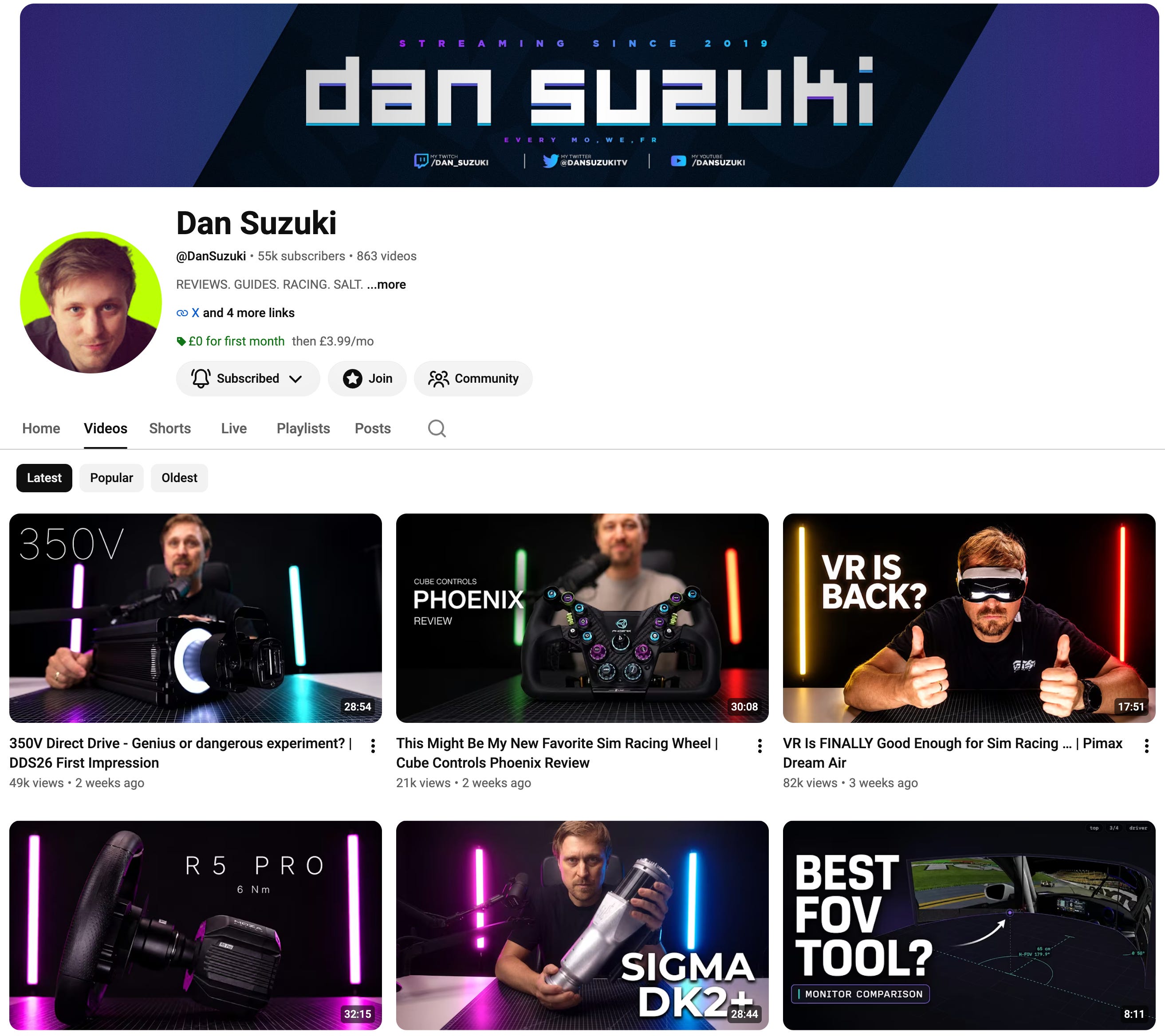
And this has been going on for years. Clearly, if GSI had a problem with it, they would tell him to stop doing it. But clearly, they haven’t. My take is that GSI values his transparency with the community and it probably even motivates them internally to make better and better products.
Thought exercise:
Can you dream up a world in which you have an employee who’s an influencer and helps you promote your products, but they also help other companies in your sector promote their products!? think about what that might look like internally, who might not be happy with it, and what you would have to say to win them over.
How to erode trust
If you want to look at an example of a sponsorship that absolutely does not build trust for anyone involved in the deal, we have to look no further than Kim Kardashian promoting a crypto company.
In 2021, Kim posted about a crypto token called EthereumMax to her 250 million Instagram followers.
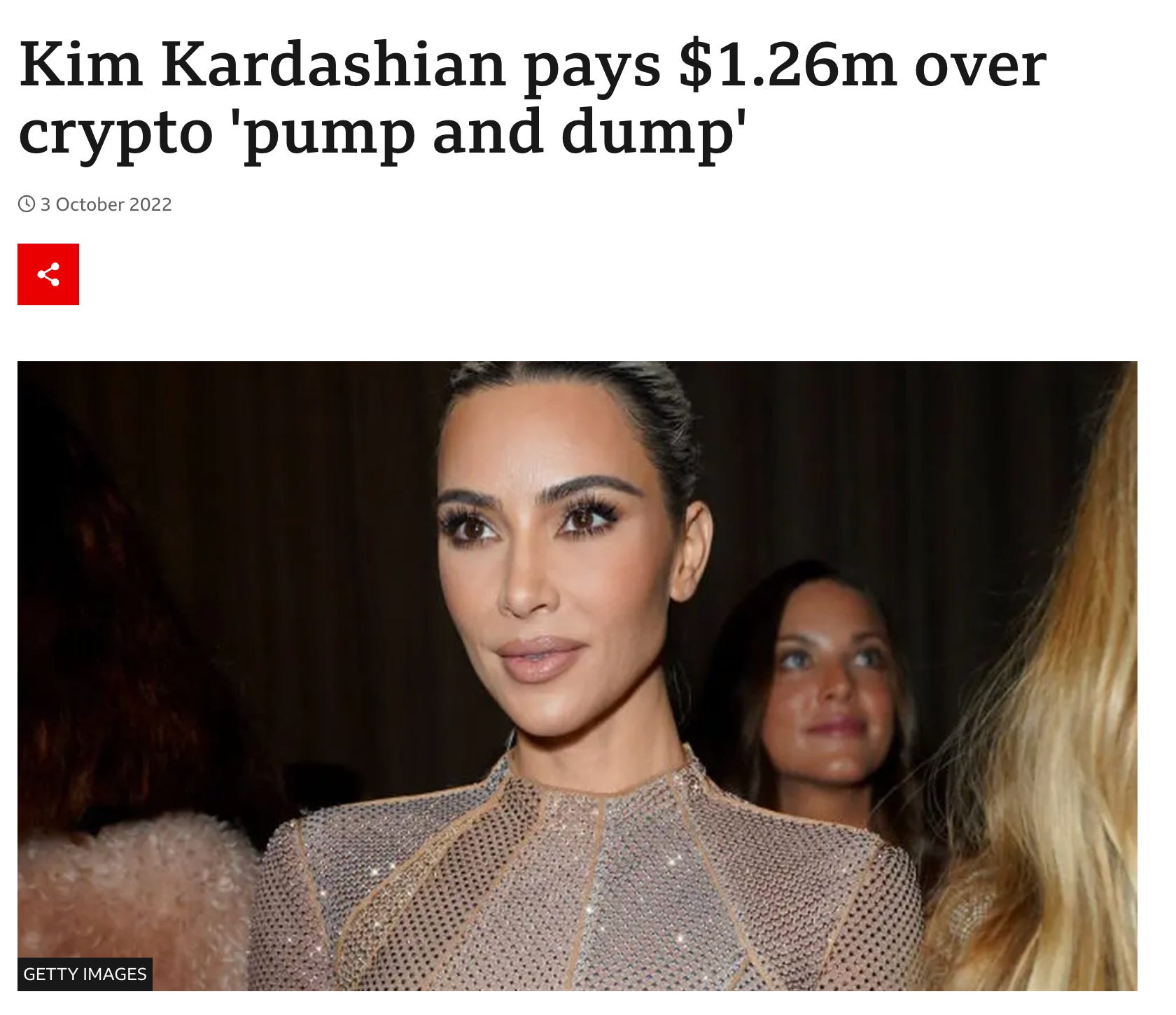
She was paid $250,000 for it.
In October 2022, the SEC charged her with unlawfully touting a crypto security. She settled for $1.26 million, which means she lost the original fee and was stung for an additional $1 million penalty, and agreed to not promote crypto assets for 3 years.
This is literally an inversion of all of the sponsorships above.
There was no existing relationship between Kim Kardashian and EthereumMax.
There was no track record with that product category.
And there was no disclosure.
Let’s flip it: if Kim had promoted Sephora’s makeup, you can see a much more natural alignment.
What to actually do with this information
Stop buying posts and start building relationships
If you have a marketing budget for 12 creator posts across a year or one creator for the whole year, take the one creator for the whole year.
Find people already using your products
All the examples above (apart from Kim’s) worked because they started with something real. Sephora made applicants prove that their audience trusted them first. Gymshark promoted people up the ladder over the years. Dan is an expert in the racing category.
Give them something to lose
Equity, a title, even a seat at the table. Whatever makes sense. When you make them own a piece of something, they behave completely differently to someone who’s just cashing in an invoice.
Always disclose
Whenever you label an ad as an ad, it costs a tiny bit of credibility, but when you don’t label it as an ad and people find out that it’s an ad, it costs you all the credibility.
Final Thoughts
Sponsorships are an amazing opportunity for brands to grow in near-exponential ways. Meaningful and trustworthy results in this space can only exist over longer time horizons.
Don’t rush it.
You don’t rush it with your own employees. The real question here isn’t whether you can build the trust Sephora and Gymshark built. It’s whether you’re willing to spend the years it actually takes.
Until next week,
Gary
Want to scale your brand with us? switchfire.co